Global auditor news and research briefings
In-depth, researched analysis of ISO standard changes by country, auditing laws and legislation, and the global shifts shaping the auditor profession. Five new feature articles are published every week by the Auditor Training newsroom.
Monday 19 October 2026
5 stories
Certification Rule Updates Are Redefining Auditor Mobility and Competence
Accreditation authorities, certification bodies, and regulators are tightening how management-system audits are scoped, witnessed, and accepted across borders. The result is a more demanding environment for auditors working in multinational supply chains, regulated sectors, and remote audit models. Country-level oversight differences now matter more, and auditors need stronger competence in accreditation rules, sector schemes, transition management, and legally informed evidence evaluation.

Sector Oversight Is Redefining Auditor Competence Worldwide
Manufacturing, healthcare, energy, technology, and food sectors are facing heavier scrutiny from regulators, customers, and assurance providers across major markets. As legal duties, ISO revisions, cyber expectations, and supply-chain accountability converge, management-system auditors are being pushed beyond checklist auditing toward deeper sector knowledge, stronger evidence evaluation, and more confident judgments on integrated risk and compliance.

Global Auditor Careers Shift With Converging Rules and AI
The auditor profession is entering a new phase as regulatory approaches align across borders, organizations seek auditors who can assess multiple management systems together, and AI changes how evidence is reviewed. Demand is strongest where law, supply-chain scrutiny, cyber expectations, and sustainability reporting are accelerating at the same time, especially in export-led, regulated, and digitally intensive industries.

ISO Revision Momentum Reshapes Audit Practice Across Major Economies
Revision activity across core ISO management system standards is changing how certified organizations and auditors prepare evidence, assess risk, and manage transition planning. From Europe’s regulatory pull on quality, environment, and information security to Asia-Pacific and North American adoption pressures, the next phase of ISO updates will reward auditors who can interpret draft changes in local legal context and test whether management systems still work under tighter operational scrutiny.

Hard-Law Reporting Regimes Redefine Audit Evidence Across Jurisdictions
A new wave of binding rules is changing what auditors must test, document, and challenge across major markets. Sustainability disclosures, AI governance, cyber resilience, and supply-chain due diligence are moving from policy aspiration to enforceable obligations, forcing assurance professionals to work across legal, technical, and management-system boundaries while sharpening competence in controls, traceability, and jurisdiction-specific compliance.
Sunday 11 October 2026
5 stories
Assurance Pressure Intensifies in Critical Sectors Worldwide
Manufacturing, healthcare, energy, technology, and food businesses are facing heavier scrutiny from regulators, customers, and investors as cyber risk, product integrity, supply resilience, and operational resilience move higher on national agendas. For management-system auditors, this means broader audit scope, stronger evidence expectations, and rising demand for competence that bridges ISO standards, sector rules, digital controls, and legal accountability across major jurisdictions.

Auditor Demand Shifts Toward Integrated and AI-Enabled Global Practice
The global auditor profession is entering a new phase shaped less by single-standard specialization and more by cross-border rule alignment, digital evidence, and overlapping management-system expectations. Demand is rising for auditors who can work across quality, environmental, information security, supply chain, and emerging AI governance requirements, especially in export-led manufacturing, critical infrastructure, health, and technology-heavy sectors.

Accreditation Timetables Tighten Auditor Requirements Across Certification Markets
Accreditation bodies and certification bodies are moving from broad alignment goals to harder transition management, sharper competence controls, and closer scrutiny of cross-border certification activity. For auditors, the practical effect is country-by-country variation in witnessing, scheme interpretation, and legal awareness as global harmonization continues but national oversight, sector rules, and local market expectations increasingly shape what evidence, skills, and authorization are required.

Sector Oversight Intensifies Auditor Competence Across Critical Industries
Regulators, customers, and boards are applying sharper assurance expectations to manufacturing, healthcare, energy, technology, and food businesses. The shift is not only increasing audit frequency and depth; it is also changing what management-system auditors must understand about law, operational controls, digital evidence, and sector risk in different jurisdictions.

Global Auditor Workforce Outlook Shifts Toward Integrated Assurance Skills
Auditor demand is broadening as regulators, accreditation systems, and corporate buyers increasingly expect evidence that spans quality, environment, information security, supply chains, and emerging technology controls. Across Europe, Asia-Pacific, North America, and the Middle East, the strongest opportunities are forming where cross-border trade, digital regulation, and critical-infrastructure resilience are tightening expectations for competent multi-standard auditors.
Sunday 4 October 2026
5 stories
IAF ILAC Convergence Reshapes Auditor Qualification Across Markets
Accreditation and conformity-assessment rules are tightening as IAF and ILAC continue to align expectations across management-system certification, laboratory oversight, and regulated assurance markets. The practical effect is uneven by country: auditors face different transition pressures, competence requirements, and witnessing expectations depending on national law, accreditation policy, and sector exposure, especially in Europe, North America, Asia-Pacific, and export-driven economies.

Sector Audit Pressure Rises Across Manufacturing, Health, Energy, Tech, Food
Manufacturing, healthcare, energy, technology, and food industries are facing heavier audit and assurance demands as regulation, customer scrutiny, and management-system expectations tighten across major markets. For ISO and related management-system auditors, the shift is not just more work but more complex work, requiring deeper sector knowledge, stronger evidence evaluation, and greater fluency in digital, regulatory, and supply-chain controls.

Global Audit Profession Outlook Centers on Convergence, AI, and Scarce Skills
The auditor profession is entering a period of global realignment as regulatory models converge across markets, organizations seek auditors who can assess multiple management systems together, and AI tools begin reshaping evidence review and audit planning. Demand is rising fastest where sustainability, cyber, supply-chain, medical, automotive, and critical infrastructure obligations are tightening, creating clear priorities for both practicing and aspiring auditors.

Legislative Convergence Expands Auditor Duties Across Global Assurance Markets
New legislation across the EU, United States, United Kingdom, Australia, Asia-Pacific and the Middle East is turning sustainability, cyber resilience, AI governance and supply-chain oversight into auditable management issues. For auditors, the change is not just more reporting. It is a shift toward testing governance, controls, data quality and legal traceability across multiple jurisdictions at once.

IAF ILAC Alignment Shifts Certification Expectations Across Audit Markets
Accreditation and certification rules are tightening as IAF and ILAC push greater consistency across conformity assessment, while governments add sector-specific assurance obligations. The result is not one global rulebook but a more demanding operating environment for auditors, certification bodies, and accredited laboratories. Practitioners now need stronger competence in transition planning, impartiality, remote methods, sector law, and cross-border recognition to work effectively across major markets.
Sunday 27 September 2026
5 stories
Assurance Practice Shifts as Hard Law Meets Operational Risk
Auditors face a more demanding legal landscape as sustainability disclosure, AI governance, cybersecurity, and supply-chain due-diligence rules move from policy ambition into enforceable obligations. Across the EU, United States, United Kingdom, Australia, Asia-Pacific, and the Middle East, the practical impact is a broader audit scope, stronger evidence expectations, and rising demand for auditors who can test controls across legal, technical, and management-system boundaries.

Cross-Border Accreditation Rules Shift Auditor Requirements by Market
Accreditation bodies, certification bodies, and regulators are tightening expectations around impartiality, remote methods, sector competence, and internationally accepted results. As IAF and ILAC coordination deepens and national authorities apply global rules through local oversight, auditors face different qualification and evidence demands across Europe, Asia-Pacific, North America, and the Middle East, especially in regulated manufacturing, medical devices, food, cybersecurity, and sustainability-linked supply chains.

Sector-Specific Assurance Demands Are Raising Auditor Competence Standards
Audit and assurance pressure is intensifying unevenly across manufacturing, healthcare, energy, technology, and food sectors as regulators, customers, and insurers demand stronger evidence of control effectiveness. For management-system auditors, the shift is less about more checklists than about deeper sector literacy, digital evidence handling, and the ability to test how legal, operational, and resilience requirements interact across jurisdictions.

Country-Level Impacts of ISO Revision Cycles on Audit Practice
Several core ISO management system standards are moving through revision or implementation phases, and the effects are increasingly country-specific. For certified organizations and auditors, the practical challenge is no longer simply knowing that standards are changing, but understanding how regulators, accreditation systems, and sector expectations in different jurisdictions will shape transition evidence, audit scope, and competence needs.

Audit Practice Adjusts to Fast-Moving Law Across Major Markets
Auditors are confronting a new legal environment in which sustainability disclosures, AI governance, cyber resilience, and supply-chain due diligence are becoming more formal, more testable, and more cross-border. The practical effect is a wider assurance perimeter, stronger evidence expectations, and rising demand for auditors who can assess management systems against legal duties that differ by jurisdiction but increasingly converge around governance, controls, and traceability.
Sunday 20 September 2026
5 stories
Accreditation Transitions Are Recasting Certification Practice Across Jurisdictions
Accreditation and certification-body rules are shifting in ways that directly affect auditor competence, certificate transfer, remote auditing, and multi-site oversight. As IAF and ILAC alignment continues and regulators in Europe, Asia-Pacific, the Middle East, and the Americas tighten reliance on accredited conformity assessment, auditors increasingly need stronger skills in impartiality, witnessing, legal context, and evidence evaluation across country-specific schemes.

Five Sectors Face Sharper Assurance Demands Worldwide
Manufacturing, healthcare, energy, technology, and food sectors are under stronger regulatory, customer, and public-interest scrutiny across major markets. That pressure is changing what management-system auditors must examine, from traceability and cyber resilience to supplier controls and legal compliance. Auditors who can interpret sector rules, test operational evidence, and connect multiple standards are becoming more valuable across certification and internal assurance roles.

ISO Revision Waves Are Recasting Audit Practice Across Jurisdictions
Forthcoming and recently implemented ISO standard changes are not landing evenly across the world. As quality, environmental, occupational health and safety, information security, and AI management standards evolve, certified organizations and auditors face different pressures depending on local regulation, accreditation practice, and sector risk. The result is a country-by-country reshaping of audit scope, competence needs, and transition planning.

Lawmakers Expand Audit Scope Across Sustainability, AI, Cyber, and Supply Chains
Auditors are facing a new wave of legislation that reaches beyond financial reporting into sustainability disclosures, AI governance, cybersecurity resilience, and supply-chain due diligence. Across the EU, United States, United Kingdom, Australia, Asia-Pacific, and the Middle East, these rules are changing what evidence matters, which controls must be tested, and which competencies auditors need to assess management systems credibly.

National Oversight Changes Recast Certification Expectations for Global Auditors
Accreditation authorities, certification bodies, and regulators are reshaping how management-system certification is delivered and trusted across borders. The current shift is less about one new rule than about tighter oversight, clearer transition expectations, and stronger demands for sector, digital, and legal competence. For auditors, that means country-specific knowledge now matters more in a certification market still built on global recognition arrangements.
Sunday 13 September 2026
5 stories
ISO Revision Timelines and Country Impacts Reshape Audit Preparation
Forthcoming and recent ISO management-system revisions are beginning to affect audit planning differently across major certification markets. For certified organizations and auditors, the practical issue is no longer only what may change in standards such as ISO 9001, 14001, 45001, 27001, and 42001, but how national regulators, accreditation systems, and sector expectations are translating those changes into country-specific readiness demands.

Assurance Laws Are Converging Around Controls, Evidence, and Accountability
A new wave of legislation is changing what auditors must test, document, and understand across major markets. Sustainability reporting, AI governance, cyber rules, and supply-chain due-diligence laws are pushing assurance work beyond traditional management-system boundaries and into legally enforceable controls, traceable evidence, and board-level accountability.

Certification Oversight Tightens as Cross-Border Accreditation Rules Converge
Accreditation bodies and certification markets are moving toward tighter, more harmonized oversight, while national regulators are adding local conditions that affect audit scope and competence. For auditors, the result is a more demanding environment: stronger evidence expectations, clearer transition planning, and growing pressure to understand how global conformity-assessment rules interact with country-specific law.

Audit Pressure Deepens Across Critical Sectors and Auditor Skill Needs
Manufacturing, healthcare, energy, technology, and food sectors are facing heavier assurance demands as cyber rules, product regulation, safety oversight, emissions controls, and supply-chain due diligence mature across major markets. For management-system auditors, the shift is not only about more audits. It is about broader scope, tighter evidence expectations, and stronger sector competence across jurisdictions including the EU, United States, United Kingdom, Japan, China, and Australia.

Auditor Outlook Shifts Toward Integrated Global and AI-Enabled Practice
The auditor profession is entering a phase shaped by cross-border rule alignment, wider use of AI in audit work, and rising demand for practitioners who can assess multiple management systems together. Pressure is strongest where supply chains, digital systems, product compliance, and sustainability reporting intersect, pushing auditors to build deeper regulatory awareness alongside stronger evidence, interviewing, and data-analysis skills.
Sunday 6 September 2026
5 stories
Certification Rule Changes Are Reworking Auditor Mobility Worldwide
Accreditation and certification-body policy changes are steadily altering how management-system audits are planned, witnessed, transferred, and recognized across borders. As IAF and ILAC continue to align approaches and governments add sector-specific assurance duties, auditors in Europe, Asia-Pacific, the Middle East, and the Americas face a more demanding competence model built around impartiality, multi-standard fluency, digital evidence, and country-specific regulatory literacy.

Audit Pressure Builds Across Five High-Scrutiny Industry Sectors
Manufacturing, healthcare, energy, technology, and food businesses are facing heavier audit and assurance demands as cyber, product, climate, supply-chain, and safety rules tighten across major jurisdictions. For management-system auditors, the shift is not only about more audits. It is about broader sector knowledge, better evidence evaluation, stronger digital literacy, and the ability to connect ISO-based audits with fast-changing legal and market expectations.

Where Auditor Demand Is Concentrating in a Converging Global Market
The auditor profession is entering a new phase shaped by cross-border regulatory convergence, integrated management-system expectations, and fast adoption of AI-assisted audit methods. Demand is rising for auditors who can work across standards, jurisdictions, and assurance models, especially in regulated supply chains, critical infrastructure, manufacturing, healthcare, technology, and sustainability-linked sectors.

ISO Revision Priorities Diverge Across Key Certification Jurisdictions
Forthcoming and recently updated ISO management-system standards are creating uneven compliance pressures across major certification markets. From Europe’s climate and supply-chain rules to cyber and AI governance expectations in North America and Asia-Pacific, certified organizations and auditors face a more jurisdiction-specific transition landscape. The result is a sharper need for auditors who can interpret standard revisions alongside local law, accreditation expectations, and sector risk.

How New Laws Are Rewriting Audit Scope Across Jurisdictions
A widening set of laws on sustainability, AI, cybersecurity, and supply-chain due diligence is changing what organizations must evidence and what auditors must test. Across the EU, United States, United Kingdom, Australia, Asia-Pacific, and the Middle East, assurance work is moving beyond classic management-system checks toward legally exposed governance, data, and third-party controls.
Sunday 30 August 2026
5 stories
Auditor Careers Expand as Global Assurance Rules Align
The auditor profession is entering a more international, technology-shaped phase as regulatory frameworks, management-system expectations, and assurance demands increasingly overlap across borders. Multi-standard competence, AI literacy, and stronger evidence evaluation are becoming central skills, especially in regions where supply chains, digital systems, and sustainability obligations are tightening at the same time.

ISO Revision Readiness Becomes a Country-Level Audit Challenge
Major ISO management system standards are moving through uneven revision cycles just as countries layer on climate, cyber, worker-safety, and AI rules. For certified organizations and auditors, the practical issue is no longer only what the next ISO text says, but how each jurisdiction expects those requirements to connect to local law, accreditation practice, and sector oversight.

New Governance Laws Reshape Assurance Across Global Audit Jurisdictions
A widening wave of sustainability, AI, cybersecurity, and supply-chain laws is changing what auditors must test, document, and explain across major economies. From Europe’s reporting and due-diligence regimes to cyber and AI rules in the United States, United Kingdom, Australia, Asia-Pacific, and the Middle East, the practical effect is clear: auditors need stronger cross-border legal awareness, sharper evidence skills, and more integrated assurance competence.

IAF and ILAC Alignment Raises New Audit Competence Demands
Accreditation and certification rules are tightening as IAF and ILAC continue to align expectations for competence, impartiality, remote techniques, and digitally supported evidence. The effects are uneven across Europe, North America, Asia-Pacific, the Middle East, and Latin America, where regulators and accreditation bodies are linking management-system certification more closely to legal compliance, sector oversight, and cross-border market access.

Sector Scrutiny Is Redefining Auditor Competence Across Global Industries
Heightened oversight in manufacturing, healthcare, energy, technology, and food safety is changing what management-system auditors must be able to evaluate. Across major jurisdictions, cyber rules, product laws, supply-chain duties, safety expectations, and climate-related obligations are pushing auditors beyond checklist conformity toward stronger sector fluency, evidence judgment, and integrated assurance capability.
Sunday 23 August 2026
5 stories
Accreditation Shifts Tighten Certification Rules Across Key Audit Markets
Accreditation policy updates, harmonized mandatory documents, and national enforcement trends are changing how certification bodies deploy auditors across borders. The result is a more demanding operating environment for management-system auditors, especially in regulated and export-driven sectors. Practitioners now need stronger competence in transfer controls, remote-audit governance, sector-specific schemes, and the country-level rules that increasingly shape certification validity.

Assurance Pressure Intensifies Across High-Risk Sectors Worldwide
Manufacturing, healthcare, energy, technology, and food sectors are facing sharper scrutiny from regulators, customers, and investors as assurance expectations move beyond documentation to operational proof. For management-system auditors, the shift is changing audit scope, evidence needs, and sector competence requirements across major jurisdictions, making cross-disciplinary knowledge, stronger risk judgment, and better understanding of legal context increasingly important.

Global Auditor Outlook Favors Cross-Border, AI-Literate Multi-Standard Talent
The auditor profession is moving into a more internationally aligned, technology-enabled phase as regulators, accreditation systems, and major industries demand stronger evidence across borders. Demand is rising for auditors who can work across multiple management-system standards, understand AI-assisted audit methods, and assess operational controls in sectors facing tighter scrutiny, from manufacturing and medical devices to energy, food, and digital services.

From Policy Frameworks to Testable Controls Across Assurance Markets
A new phase of regulation is pushing auditors beyond checking disclosures and into testing how organizations govern climate, AI, cyber resilience, and supply-chain due diligence in daily operations. Across the EU, United States, United Kingdom, Australia, Asia-Pacific, and the Middle East, the practical question is no longer whether rules exist, but how auditors can evaluate evidence, competence, and control design across overlapping legal regimes.

Accreditation Transitions Tighten Cross-Border Certification and Auditor Expectations
Accreditation bodies, certification bodies, and regulators are moving closer to a single expectation: certified organizations must show that management-system claims stand up across borders, sectors, and assurance regimes. As IAF and ILAC alignment deepens and transition windows close, auditors in Europe, Asia-Pacific, the Americas, and the Middle East face sharper competence demands in witnessing, impartiality, remote techniques, and regulatory awareness.
Sunday 16 August 2026
5 stories
Certification and Accreditation Changes Redefine Auditor Qualification Across Markets
Accreditation and certification-body rules are tightening across major markets as IAF and ILAC alignment deepens, mandatory-document revisions take hold, and transition expectations move from paper updates to operational competence. The result is a more demanding environment for auditors in Europe, North America, Asia-Pacific, the Middle East, and Latin America, where cross-border recognition, sector schemes, digital evidence, and jurisdiction-specific laws are reshaping how audit teams are qualified, deployed, and supervised.

Sector Risk Pressures Are Raising Auditor Competence Requirements
Manufacturing, healthcare, energy, technology, and food sectors are facing heavier audit and assurance scrutiny as regulators, customers, and investors demand operational proof rather than broad policy statements. Across major jurisdictions, this is changing how management-system auditors plan audits, evaluate evidence, and maintain competence, with sharper expectations around sector knowledge, digital controls, supply-chain verification, and integrated assurance.

Global Auditor Careers Pivot to Integrated, AI-Enabled Assurance
The auditor profession is being reshaped by converging governance rules, wider use of AI in assurance work, and rising demand for practitioners who can audit multiple management systems across borders. Employers increasingly need auditors who can connect ISO-based management systems with legal obligations in sustainability, cyber, AI, supply chain, and product assurance, especially in highly regulated markets and critical industries.

ISO Revision Pipeline Raises Country-Specific Audit Readiness Demands
Planned and recent revisions across major ISO management system standards are beginning to affect certified organizations unevenly by country. The practical impact depends on national regulators, accreditation bodies, procurement rules, and sector oversight. For auditors, the shift is less about memorizing clauses than understanding how revised standards interact with local law, digital risk, climate expectations, worker protection, and emerging AI governance obligations.

Legislative Upheaval Is Redrawing Assurance Priorities Across Major Jurisdictions
A new generation of laws is changing what auditors must examine, how evidence is collected, and which skills matter most. Across Europe, North America, the United Kingdom, Australia, Asia-Pacific, and the Middle East, sustainability, AI, cyber, and supply-chain rules are moving assurance work from policy review toward operational verification and cross-border legal awareness.
Sunday 9 August 2026
5 stories
Audit Practice Shifts Under Expanding Cross-Border Governance Laws
Auditors are entering a period in which legislation is changing not only what organizations disclose, but how they govern data, suppliers, emissions, cyber resilience, and AI use. Across the EU, United States, United Kingdom, Australia, Asia-Pacific, and the Middle East, the practical effect is a broader evidence base, tighter board accountability, and rising demand for auditors who can test operational controls across legal and management-system boundaries.

Sector Oversight Intensifies Auditor Competence Needs Across Global Industries
Manufacturing, healthcare, energy, technology, and food sectors are facing tougher oversight as regulators, customers, and assurance providers demand stronger operational proof. Across major jurisdictions, this is changing the work of management-system auditors, who now need deeper sector knowledge, better legal awareness, and stronger skills in digital evidence, traceability, and risk-based auditing.

Where Global Auditor Demand Is Shifting in a Converging Rulebook Era
The auditor profession is entering a period of sharper cross-border alignment and more complex evidence requirements. Regulators, accreditation systems, and corporate buyers increasingly expect auditors who can work across multiple management-system standards, understand digital evidence, and assess AI-enabled processes. The strongest demand is emerging in export-oriented manufacturing, critical infrastructure, regulated supply chains, and multinational service sectors across Europe, Asia-Pacific, North America, and the Middle East.

ISO Revision Signals Reshape Audit Practice by Jurisdiction
Forthcoming and recent ISO management-system revisions are landing in very different regulatory and market contexts. For certified organizations and auditors, the practical issue is no longer only when standards change, but how those changes interact with country rules on climate, cyber, AI, worker safety, and supply-chain governance. The result is a sharper need for jurisdiction-aware audit planning, evidence gathering, and competence management.

New Governance Laws Expand Cross-Border Assurance Expectations
A broad new wave of sustainability, AI, cybersecurity and supply-chain laws is changing what organizations must prove to regulators, customers and certifiers. Across the EU, United States, United Kingdom, Australia, Asia-Pacific and the Middle East, auditors now face more operational testing, more jurisdiction-specific evidence requirements and a growing need to connect management-system auditing with legal and assurance obligations.
Sunday 2 August 2026
5 stories
ISO Revision Waves Raise Country-Specific Audit Demands
Forthcoming and recent revisions to major ISO management system standards are colliding with national laws on AI, cyber resilience, workplace safety, climate disclosure, and supply-chain control. For certified organizations and auditors, the result is not a single global transition story but a country-by-country compliance challenge that changes audit evidence, competence expectations, and the design of integrated audit programs.

Accreditation Resets Redefine Auditor Mobility Across Certification Markets
Accreditation policy updates, tighter certification-body oversight, and continued IAF-ILAC alignment are changing how auditors work across borders. From Europe to Asia-Pacific and the Americas, transition deadlines, impartiality controls, remote-audit expectations, and sector-specific competence rules are reshaping qualification pathways and audit execution for management-system auditors.

High-Scrutiny Industries Redefine Auditor Competence in 2026
Manufacturing, healthcare, energy, technology, and food sectors are facing heavier oversight as governments, regulators, and customers demand operational proof rather than policy-level claims. For management-system auditors, that shift is changing audit planning, evidence expectations, and sector competence requirements across major jurisdictions including the EU, United States, United Kingdom, China, Japan, India, and Australia.

Country-Level Impacts of Upcoming ISO Revisions on Audit Practice
Forthcoming and recent revisions across major ISO management system standards are beginning to affect audit planning in different ways from Europe to Asia-Pacific and the Americas. For certified organizations and auditors, the practical issue is no longer only when standards change, but how national regulation, accreditation expectations, and sector rules will shape evidence, competence, and transition work country by country.

Operational Assurance Expands Under New Climate, AI, Cyber, and Due-Diligence Laws
Across major jurisdictions, lawmakers are moving beyond disclosure-led regulation toward enforceable duties over climate claims, AI controls, cyber resilience, and supply-chain diligence. For auditors, that shift changes the evidence base, widens the scope of assurance work, and raises the need for cross-disciplinary competence in management systems, legal obligations, and operational testing.
Sunday 26 July 2026
22 stories
Cross-Border Rulebooks Shift Audit Priorities for 2026 and Beyond
Auditors are entering a period in which legal change matters as much as standard revision. Across the EU, United States, United Kingdom, Australia, Asia-Pacific, and the Middle East, lawmakers are tightening expectations around sustainability, AI, cybersecurity, and supply-chain governance. The result is a more operational form of assurance that demands stronger legal awareness, evidence testing, and cross-disciplinary competence from audit professionals.

Tighter Sector Oversight Raises Competence Demands for Management Auditors
Manufacturing, healthcare, energy, technology, and food sectors are facing sharper scrutiny from regulators, customers, and assurance bodies across major economies. That pressure is changing what management-system auditors must be able to evaluate: not only documented conformity, but operational control, traceability, cyber resilience, supply-chain governance, and the credibility of risk-based decisions across jurisdictions.

Global Auditor Outlook Centers on Convergence, AI, and Scarce Skills
Auditor demand is shifting toward professionals who can work across borders, assess multiple management standards, and use AI carefully without weakening audit judgment. Regulatory convergence is advancing in areas such as cybersecurity, supply chains, product compliance, and sustainability, while national differences still matter. The result is a profession that increasingly rewards integrated competence, sector fluency, and disciplined evidence evaluation.

ISO Revision Timelines Reshape Audit Work Across Major Certification Markets
Revision activity around leading ISO management system standards is changing audit planning, competence expectations, and transition strategies across major certification markets. From climate-related amendments already affecting certificates worldwide to coming revisions of quality, environmental, and occupational health and safety standards, certified organizations and auditors in Europe, Asia-Pacific, the Americas, and the Middle East face different regulatory pressures but a common need for sharper, country-aware assurance skills.

Auditor Profession Outlook Shifts With Convergence, AI, and Scarce Skills
The global auditor profession is moving toward more comparable rules, broader competence across multiple standards, and practical use of AI in audit work. Regulatory change in Europe, North America, Asia-Pacific, and the Middle East is increasing demand for auditors who can test operational controls, supply-chain assurance, and digital evidence across borders while working confidently across quality, environment, information security, and sector-specific frameworks.

ISO Revision Timelines Reshape Audit Practice Across Major Markets
Forthcoming revisions and interpretations around leading ISO management system standards are changing how certified organizations plan transitions and how auditors gather evidence. The effects are not uniform: regulators, accreditation bodies, and market expectations differ by country and sector. For auditors, the practical shift is toward stronger change-management, digital, risk, and sector-specific competence across quality, environment, safety, information security, and AI governance.
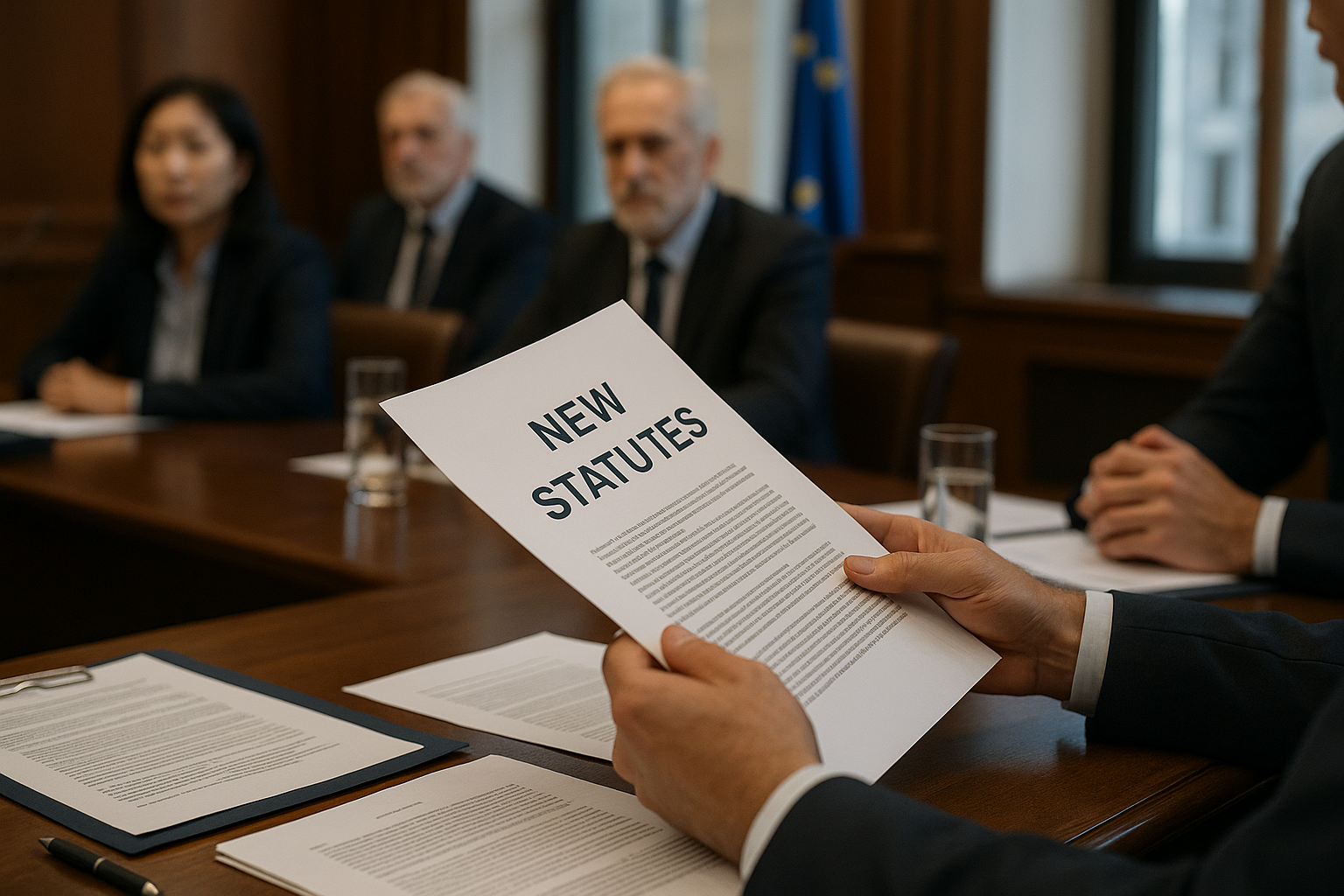
New Statutes Are Reframing Audit Evidence Across Major Jurisdictions
A new wave of sustainability, AI, cyber, and supply-chain laws is changing what organizations must prove and what auditors must test. Across the EU, United States, United Kingdom, Australia, Asia-Pacific, and the Middle East, legal duties are moving beyond policy statements toward traceable controls, operational data, governance records, and supplier oversight.

Sector Oversight Expands Auditor Competence Demands Across Critical Industries
Audit and assurance pressure is intensifying across manufacturing, healthcare, energy, technology, and food safety as regulators, customers, and investors demand stronger operational evidence rather than policy-level claims. The result is a wider competence burden for management-system auditors, who now need deeper sector knowledge, stronger legal awareness, and better skills in data integrity, supplier controls, and integrated assurance across multiple standards and jurisdictions.

Global Auditor Demand Shifts Toward Integrated Cross-Border Competence
Auditor demand is moving toward professionals who can work across jurisdictions, combine multiple management-system standards, and use AI tools without weakening audit integrity. Regulatory convergence in areas such as cyber, supply chains, product compliance, and sustainability is changing how audits are planned and evidenced, while growth markets in Asia, Europe, North America, and the Middle East are creating uneven but significant shortages of trained auditors.

New Governance Laws Rewire Audit Evidence Across Major Jurisdictions
A new wave of legislation is changing what auditors must test, how evidence is gathered, and which skills count most in assurance work. Across the EU, United States, United Kingdom, Australia, Asia-Pacific, and the Middle East, sustainability, AI, cybersecurity, and supply-chain rules are moving audit practice closer to operational verification, cross-functional review, and jurisdiction-specific legal interpretation.

Accreditation deadlines and national rules redraw auditor qualification paths
Accreditation policy updates, transition timetables, and country-level regulatory changes are reshaping what certification bodies expect from auditors. The shift is not just procedural: auditors now need stronger evidence skills, sector fluency, and a clearer grasp of how accredited certification interacts with national law. For practitioners across Europe, Asia-Pacific, the Middle East, and the Americas, qualification pathways are becoming more formal, more harmonized, and more jurisdiction-specific at the same time.

Global Auditor Demand Shifts Toward Integrated Cross-Border Capability
The auditor profession is being reshaped by converging regulations, wider use of AI-enabled audit methods, and rising demand for professionals who can work across multiple standards and jurisdictions. From Europe and North America to Asia-Pacific and the Middle East, auditors are needed most in regulated supply chains, digital infrastructure, climate reporting, and critical manufacturing where assurance expectations are becoming more integrated and internationally comparable.

High-Scrutiny Sectors Raise the Competence Bar for Auditors
Manufacturing, healthcare, energy, technology, and food sectors are facing tougher scrutiny from regulators, customers, and assurance providers across major economies. That pressure is changing what management-system auditors must understand about law, risk, traceability, cybersecurity, product integrity, and sector operations, especially where ISO-based audits increasingly intersect with mandatory compliance expectations.

Assurance Rules Move From Disclosure to Operational Proof
Across major jurisdictions, new sustainability, AI, cyber, and supply-chain laws are shifting assurance from policy review toward testing operational evidence. For auditors, the practical challenge is no longer only whether organizations publish statements, but whether governance, controls, traceability, and oversight can withstand regulatory scrutiny across borders, sectors, and assurance frameworks.

IAF and ILAC Alignment Tightens Cross-Border Auditor Requirements
Accreditation and conformity-assessment changes are reshaping how certification bodies deploy auditors across borders. As IAF and ILAC alignment deepens, transition windows, mandatory document updates, and tighter regulator expectations are changing competence needs in Europe, North America, Asia-Pacific, and the Middle East. Auditors now need stronger command of accreditation rules, sector schemes, digital methods, and country-specific legal context.

Sector Scrutiny Sharpens Competence Demands for Management Auditors
Manufacturing, healthcare, energy, technology, and food sectors are facing heavier audit and assurance pressure as regulators tighten expectations on resilience, traceability, cyber controls, and product safety. For management-system auditors, the result is a shift from narrow clause checking toward deeper sector knowledge, stronger evidence evaluation, and more confident work across overlapping legal, operational, and certification requirements.

Global Auditor Outlook Shifts Toward Borderless, AI-Enabled Assurance
The auditor profession is entering a more international, technology-shaped phase as regulators align expectations across markets, organizations seek broader multi-standard coverage, and AI changes how evidence is reviewed. Demand is rising unevenly across regions and sectors, especially where cyber, supply chain, health, environmental, and AI governance requirements are tightening and where competent auditors can translate overlapping rules into practical assurance.

ISO Revision Cycles Shift Audit Priorities Across Key Certification Markets
Forthcoming and recent ISO management-system revisions are changing audit priorities in different ways across Europe, North America, Asia-Pacific, and the Middle East. For certified organizations, the practical impact is less about one universal rule change than about how local regulators, accreditation bodies, procurement systems, and sector expectations translate revised standards into transition planning, competence needs, and audit evidence.

Legislative Divergence Creates New Assurance Work Across Major Jurisdictions
A new wave of legislation is changing what organizations must prove, disclose, and control across climate, AI, cyber, and supply chains. For auditors, the shift is not just more work but different work: cross-disciplinary, jurisdiction-specific, and increasingly tied to governance, data quality, and management-system effectiveness in regulated sectors worldwide.

Sector Oversight Shifts Raise Competence Needs for Management Auditors
Regulatory scrutiny is tightening unevenly across manufacturing, healthcare, energy, technology, and food safety, creating a more sector-specific workload for management-system auditors. The change is not simply more audits: it is deeper expectations around traceability, validation, resilience, supplier control, and legal awareness in major jurisdictions including the EU, United States, United Kingdom, China, Japan, India, and Australia.

Global Audit Careers Shift Toward Integrated Cross-Border Assurance
The auditor profession is entering a more integrated global phase as regulatory expectations converge across sustainability, cyber, AI, supply chains, and operational resilience. Demand is rising for auditors who can work across multiple management-system standards, understand jurisdiction-specific rules, and use AI-assisted methods responsibly. The strongest opportunities are emerging in regulated industries and export-driven markets where certification, supplier assurance, and governance obligations increasingly overlap.

ISO Revision Cycles Recast Audit Priorities Across Certification Markets
Revision work across leading ISO management system standards is changing how certified organizations prepare and how auditors assess conformity. The impact is not uniform: Europe is aligning faster with sustainability, cyber, and product rules, while Asia-Pacific, North America, and the Middle East are translating the same standards into different audit priorities, competence needs, and transition planning across industries.
Friday 24 July 2026
18 stories
Global Auditor Outlook Turns Toward Convergence, AI, and Scarce Skills
Auditing is entering a more integrated global phase as regulations, accreditation expectations, and management-system demands increasingly overlap across borders. Organizations now need auditors who can work across multiple standards, assess AI-enabled controls, and interpret country-specific legal duties. The strongest demand is building in regulated supply chains, critical infrastructure, digital industries, and export-focused manufacturing markets.

Jurisdictional Rule Changes Redirect Audit Work Across Global Markets
A new wave of legislation is changing what auditors must examine across major economies. Sustainability disclosures, AI controls, cyber resilience, and supply-chain due diligence are no longer peripheral governance topics but core assurance issues. For auditors, the shift means broader legal literacy, stronger evidence testing across digital and operational systems, and deeper competence in cross-border requirements affecting manufacturers, technology firms, finance, energy, healthcare, and complex supply networks.

Critical Sectors Face Tougher Oversight and Higher Auditor Skill Demands
Manufacturing, healthcare, energy, technology, and food sectors are facing tighter oversight from regulators, customers, and assurance schemes across major jurisdictions. As legal duties, cyber expectations, product safety controls, and resilience requirements expand, management-system auditors are being pushed beyond checklist auditing toward stronger sector knowledge, integrated risk assessment, and sharper evidence-based judgment.

Auditor Demand Rises as Global Assurance Models Converge
The auditor profession is entering a new phase shaped by cross-border rule alignment, wider use of AI-enabled audit methods, and stronger demand for practitioners who can work across multiple standards. The shift is uneven by country and sector, but the direction is clear: auditors who can combine management-system expertise, regulatory awareness, and digital competence are becoming more valuable across global assurance markets.

Assurance Laws Tighten Across Climate, AI, Cyber, and Supply Chains
A new wave of legislation is changing audit and assurance work across Europe, North America, the United Kingdom, Australia, Asia-Pacific, and the Middle East. Sustainability disclosures, AI governance, cyber rules, and supply-chain due-diligence obligations are expanding what organizations must evidence and what auditors must be able to test, challenging practitioners to build stronger cross-disciplinary competence.

Law and Assurance Changes Raise the Bar for Global Auditors
A new wave of legislation across Europe, North America, the United Kingdom, Australia, Asia-Pacific, and the Middle East is changing how auditors assess sustainability, cybersecurity, AI governance, and supply-chain controls. For management-system and assurance professionals, the shift is less about one new rule and more about learning to evaluate connected legal obligations, evidence quality, governance maturity, and cross-border consistency.

Sector Assurance Pressure Deepens Auditor Competence Across Critical Industries
Manufacturing, healthcare, energy, technology, and food sectors are facing tighter oversight from regulators, customers, and assurance schemes across major markets. The result is a sharper competence challenge for management-system auditors, who must now assess cyber resilience, traceability, product integrity, operational continuity, and supply-chain controls with greater sector fluency and stronger evidence-based judgment.

Global Auditor Careers Shift Toward Integrated and AI-Enabled Assurance
The auditor profession is entering a new phase shaped by cross-border regulatory alignment, wider demand for auditors who can work across multiple management systems, and rapid adoption of AI-assisted audit methods. From Europe to Asia-Pacific and North America, changing rules on cyber resilience, supply chains, product compliance, and sustainability are increasing the need for auditors with broader technical scope, stronger judgment, and disciplined digital skills.

Laws on AI, Cyber, and Supply Chains Recast Audit Work
A new wave of legislation is changing what auditors must examine across sustainability, artificial intelligence, cyber resilience, and supply-chain due diligence. From the EU to the United States, United Kingdom, Australia, Asia-Pacific, and the Middle East, practicing auditors now need stronger legal awareness, sharper evidence evaluation, and broader competence across governance, data, and operational controls.

Harmonization and Transition Deadlines Reshape Auditor Expectations Worldwide
Accreditation policy updates, certification-body oversight changes, and uneven legal adoption across major economies are altering how ISO auditors work. As IAF and ILAC continue to press for more consistent confidence in accredited results, auditors face stricter expectations on competence, impartiality, remote methods, and sector knowledge, with practical effects varying across Europe, Asia-Pacific, the Americas, and regulated supply chains.

Where Global Auditor Demand Is Moving Next
Auditor demand is shifting toward professionals who can work across borders, assess multiple management systems, and use AI responsibly without weakening evidence quality. Regulatory alignment remains uneven, but common expectations are emerging in cyber, supply chain, product compliance, sustainability, and operational resilience. The strongest opportunities are appearing where export pressure, regulated infrastructure, and digital transformation are pushing organizations to seek more capable auditors.

Accreditation alignment changes auditor requirements across certification markets
Accreditation bodies and certification bodies are facing a more exacting phase of global alignment as harmonized oversight expectations, transition timetables, and national rules reshape how management-system audits are planned, witnessed, and accepted across borders. For auditors, the practical effect is clear: stronger competence evidence, better control of multi-site and remote techniques, and sharper awareness of country-specific regulatory interfaces are becoming essential.

Sector Oversight Intensifies Competence Demands on Management System Auditors
Manufacturing, healthcare, energy, technology, and food sectors are facing heavier audit and assurance pressure as regulators, customers, and accreditation bodies demand stronger evidence on safety, resilience, traceability, cybersecurity, and compliance. For management-system auditors, the shift is raising expectations well beyond clause knowledge, requiring sharper sector understanding, stronger evidence evaluation, and the ability to test how organizations manage fast-changing legal and operational risks.

Where Global Auditor Demand Is Moving Next
The auditor profession is being reshaped by converging regulation, broader assurance expectations, and rapid uptake of AI-enabled audit tools. Across Europe, Asia-Pacific, North America, the Middle East, and Latin America, organizations increasingly need auditors who can work across multiple standards, evaluate digital evidence, and understand how national laws are influencing management system certification and assurance priorities.

New Governance Laws Expand Audit Duties Across Global Markets
A new wave of sustainability, AI, cyber, and supply-chain laws is changing what auditors must examine across Europe, North America, the United Kingdom, Australia, Asia-Pacific, and the Middle East. The shift is not limited to financial reporting. It is altering management-system audits, conformity assessment, supplier oversight, and the skills needed to test evidence in increasingly regulated operating environments.

Cross-Border Convergence Reshapes the Global Outlook for Auditors
Auditors worldwide are entering a period of tighter cross-border alignment, broader multi-standard expectations, and faster adoption of AI-enabled audit methods. Regulatory developments in Europe, North America, Asia-Pacific, and the Middle East are increasing demand for professionals who can evaluate management systems, digital controls, supply-chain risks, and sector-specific obligations with consistent judgment across jurisdictions.

Country-Level Impact of Upcoming ISO Standard Revisions
Planned and recent revisions to major ISO management system standards are changing how certified organizations and auditors prepare for surveillance, recertification, and transition activity. The effects are not uniform: regulators, accreditation bodies, and sector expectations differ by country. For auditors, the practical challenge is to connect evolving ISO text with local legal duties, digital risk, sector rules, and evidence expectations across major certification markets.
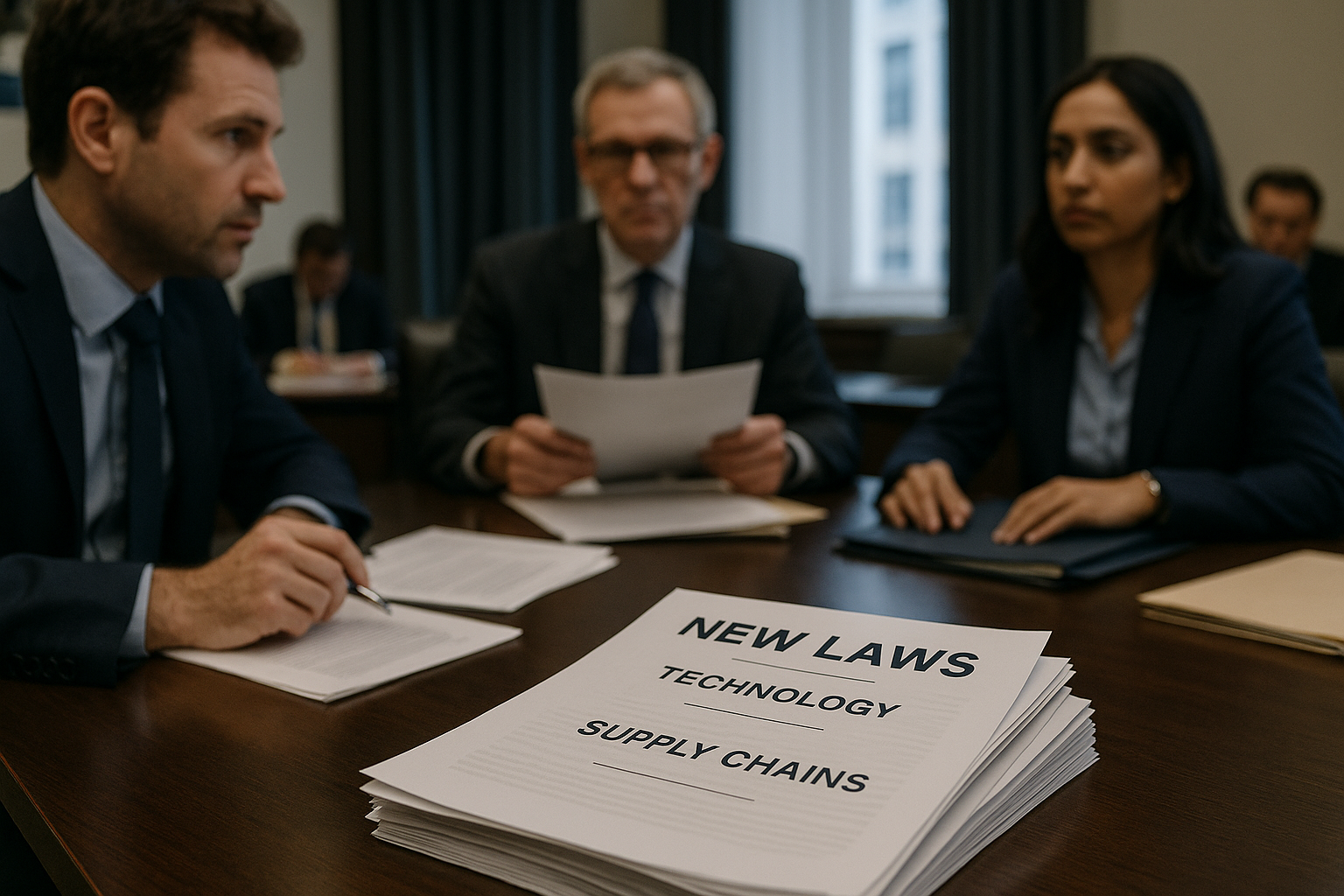
New Laws Expand Assurance Duties Across Technology, Climate, and Supply Chains
A new wave of legislation is changing what auditors must examine across major markets. Sustainability disclosures, AI governance, cyber resilience, and supply-chain due diligence are moving from policy aspiration into enforceable obligations in the EU, United States, United Kingdom, Australia, Asia-Pacific, and the Middle East, raising expectations for evidence quality, competence, and cross-disciplinary assurance work.